The Gut–Detox–Hormone Connection: Why Your Liver and Gut Need to Talk to Each Other
Have you ever noticed that no matter how healthy your meals or how many workouts you do, you still feel puffy, foggy, or flat?
One of my clients said to me recently, “I’m doing everything right — eating well, sleeping early, moving my body — but something still feels stuck.”
That “stuck” feeling often points to one thing: your gut and liver aren’t communicating well.
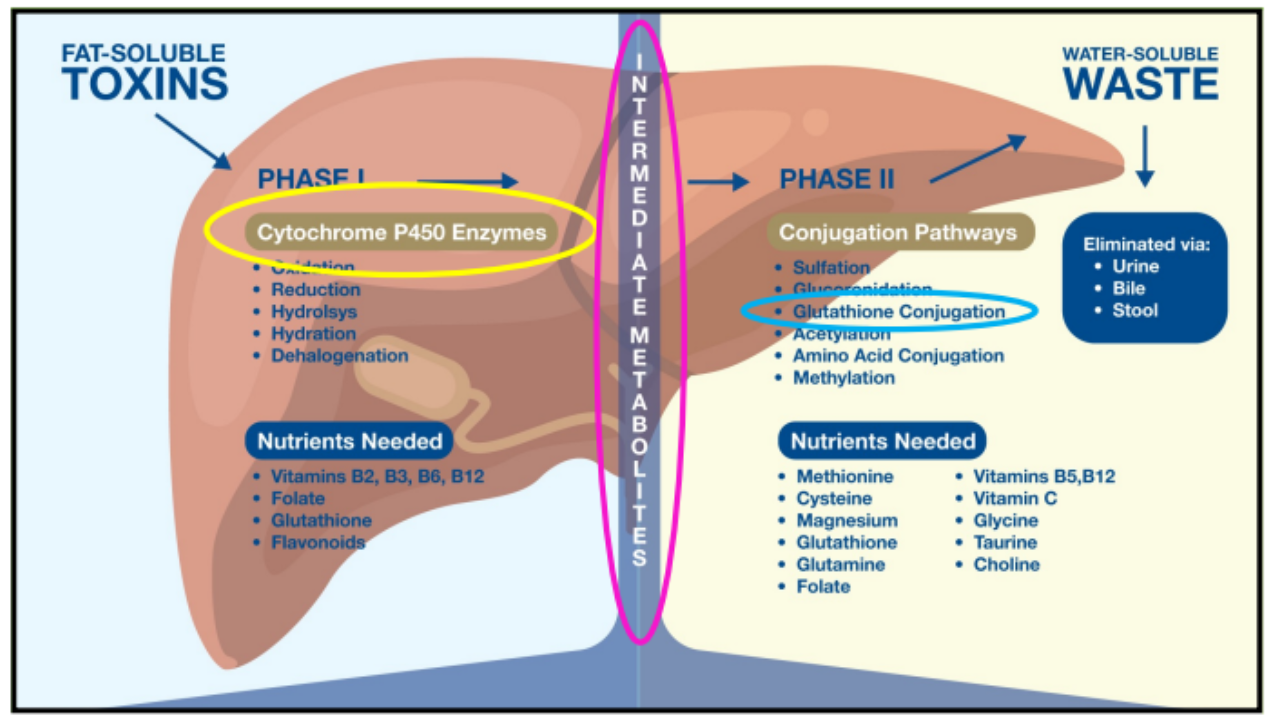
Your body detoxifies every single day, not just from alcohol or pollutants, but from hormones, medications, and normal cellular waste. This detox process happens in two major stages, and both rely on the gut–liver partnership to function smoothly.
Phase I: Activation
Your liver’s first job is to make substances water-soluble so they can be cleared out of your system.
Enzymes (mainly the cytochrome P450 family) act like your internal cleaning crew, transforming fats, hormones, and toxins into forms that can be moved out.
But here’s the thing, this “activation” step can make those compounds more reactive for a short while. Think of it like taking the rubbish out of the cupboard and leaving it on the driveway. It’s on its way out but not gone yet.
Phase II: Conjugation. The Tag-and-Bag System
This is where your body’s true detox power kicks in.
Phase II pathways — glucuronidation, methylation, sulfation, and glutathione conjugation — “tag” those activated compounds for elimination. Glucuronidation, in particular, binds excess oestrogen and waste products so they can be excreted safely through bile and stool.
When these processes run efficiently, your hormones stay balanced, your energy feels stable, and your mood is lighter.
When the Gut Gets Involved
Here’s where it gets interesting: your gut bacteria can make or break this system.
Certain microbes produce an enzyme called β-glucuronidase and when that’s overactive (often due to dysbiosis or sluggish digestion), it can “untag” the oestrogens and toxins your liver just worked so hard to remove.
The result? They get reabsorbed into circulation, leading to symptoms like:
-
PMS or heavier periods
-
Bloating or fluid retention
-
Skin breakouts or headaches
-
Mood swings or brain fog
Your gut, in essence, holds the exit door to detoxification.
Where Gluten Comes In
Even without coeliac disease, gluten can irritate the gut lining in sensitive individuals. This inflammation can increase intestinal permeability (“leaky gut”), disrupt the microbiome, and raise β-glucuronidase activity.
When the gut barrier is inflamed, detox slows down and hormones can become “stuck in circulation.”
It’s not about fearing gluten, it’s about being aware of how your gut feels.
If you notice bloating, foggy thinking, or fatigue after bread, pasta, or pastries, your body may be asking for a gluten reset to restore balance.
FeelGood Detox & Hormone Support Tips
If you suspect your detox pathways could use a little love, start here:
-
Eat cruciferous vegetables daily (broccoli, cauliflower, kale, Brussels sprouts).
-
Add fibre to keep things moving — your bowels are one of your key detox routes.
-
Support your microbiome with probiotics or fermented foods.
-
Stay hydrated — water literally carries waste out.
-
Try a 4–6 week gluten-free reset if symptoms suggest gut irritation.
-
Nourish your liver with green tea, turmeric, citrus, and gentle movement.
The FeelGood Takeaway
Your detox system isn’t just about your liver. It’s a conversation between your genes, your gut, and your daily habits.
When that conversation flows, hormones balance naturally, energy stabilises, and your whole system feels lighter.
That’s what I call feeling good from the inside out.
(If you’d like to explore your detox and hormone pathways more deeply, book a FeelGood Genes consultation because your body’s blueprint already knows the way.)
Stay connected with news and updates!
Categories
All CategoriesAuthor

Denise Mokadsi
Author