What Happens to Oestrogen During Menopause?
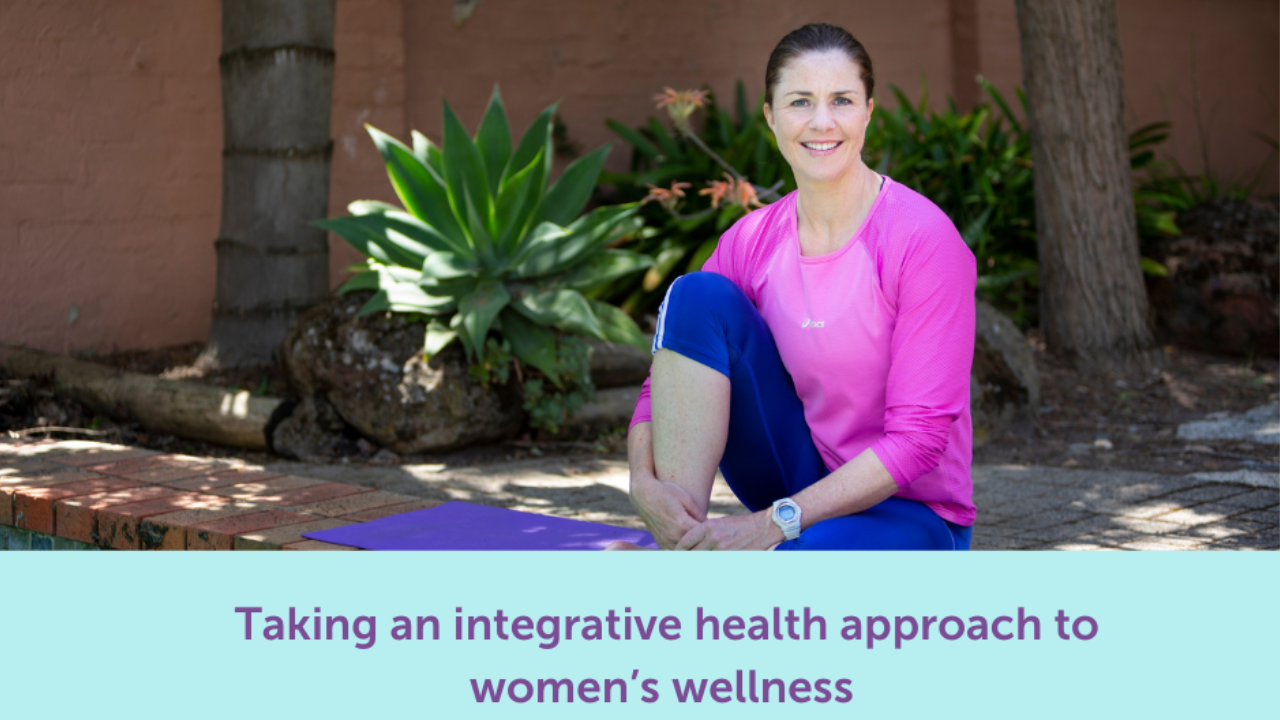
What’s really happening with oestrogen. One day you feel calm and in control, and the next… anxious, sweaty, emotional, or completely flat.
You might be told, “It’s just low oestrogen.”
But that’s only part of the story.
From an integrative health perspective, estrogen balance is not just about one hormone being “high” or “low” but about how your entire internal ecosystem works together.
Let’s unpack what’s really going on behind the hormonal changes of menopause and how you can support your body to restore balance naturally.
What’s Really Happening to Oestrogen During Menopause?
As ovarian function slows down, your production of your most active form of oestrogen, oestradiol, naturally declines. But this process isn’t a smooth, linear drop. Hormones fluctuate, sometimes dramatically, and the relationship between oestrogen and progesterone often shifts first. (It is important to realise there are also other forms of oestrogen that also influence your body too).
- Progesterone usually declines earlier and faster, leaving oestrogen “unopposed.”
→ This creates what’s called relative oestrogen dominance even though total oestrogen is falling. - Later, both hormones drop significantly, and low oestrogen symptoms such as hot flushes, night sweats, and vaginal dryness become more noticeable.
- Your liver and gut play a major role in processing and clearing oestrogen metabolites. If these pathways are sluggish or the gut microbiome is imbalanced, oestrogen can be reabsorbed and recirculated, amplifying symptoms.
- Body composition also influences oestrogen. Fat tissue produces small amounts of oestrogen (oestrone), which is why symptoms can differ among women.
- Stress hormones (cortisol), insulin, and inflammation can all disrupt hormonal harmony further.
- And your genetic blueprint influences the way your body methylates, detoxifies, and metabolises hormones, which adds another layer of complexity.
So while oestrogen levels are changing, it’s the balance, metabolism, and clearance that determine how you actually feel.
Supporting Oestrogen Balance the Integrative Way
The beauty of an integrative approach is that it focuses on whole-body harmony and working with your biology, not against it.
Here are some key areas to consider:
- Support Liver & Detox Pathways
Your liver is your hormonal filter. It processes oestrogen through several biochemical pathways that depend on nutrients such as B vitamins, magnesium, and sulphur compounds.
To support healthy estrogen clearance:
- Eat cruciferous vegetables daily (broccoli, kale, cabbage, cauliflower).
- Include herbs like milk thistle or dandelion root for gentle liver support.
- Stay hydrated and ensure daily bowel movements (constipation can recycle oestrogen).
- Reduce alcohol and chemical exposure where possible.
- Balance the Gut Microbiome
Your gut hosts an “oestrobolome” which is a collection of bacteria that help metabolise estrogen.
An imbalanced gut can lead to higher circulating estrogen and more pronounced symptoms.
- Include prebiotic fibre (onions, garlic, leeks, artichokes) and probiotic foods (kefir, sauerkraut, yoghurt).
- Consider a functional gut test if bloating, constipation, or IBS-like symptoms are common.
- Regulate Blood Sugar and Insulin
High insulin and blood sugar spikes can worsen oestrogen dominance and inflammation.
- Eat balanced meals with protein, healthy fats, and fibre.
- Limit refined carbs and added sugars.
- Add resistance training to improve muscle mass and metabolic flexibility.
- Manage Stress and Support the Adrenals
As ovarian hormone production slows, your adrenal glands take on more responsibility for producing oestrogen precursors.
Chronic stress diverts this pathway toward cortisol instead of oestrogen, leaving you depleted.
- Practice relaxation techniques such as breathwork, meditation, or yoga.
- Aim for consistent sleep routines.
- Support with adaptogenic herbs (ashwagandha, rhodiola) under professional guidance.
- Consider Natural and Nutritional Support
Gentle botanical and nutrient therapies can help restore balance, such as:
- Maca root, red clover, black cohosh, or hops extract (for selected women).
- Magnesium, B-complex, zinc, and omega-3 fatty acids to support detox and cellular repair.
- Personalise Your Approach
Every woman’s journey through menopause is unique. Always individualise your approach because not all supplements are appropriate for every woman.
Functional testing can provide clarity on your specific needs:
- Hormone panels (oestradiol, progesterone, SHBG, metabolites)
- Liver detox and methylation markers
- DNA-based health testing to identify genetic influences on hormone metabolism
- Gut microbiome analysis for inflammation or dysbiosis
Personalised data helps guide targeted, effective support rather than guessing.
Finding Balance, Not Perfection
Menopause isn’t a malfunction, it’s a transition.
Your body is evolving, not failing.
When you approach this chapter with curiosity and compassion, and support it with nutrition, movement, mindset, and smart functional insights, you’ll find that balance is entirely achievable.
Integrative health helps you rediscover your rhythm, not just replace your hormones.
Want to Learn More?
If you’d like to explore how your body is handling hormonal change, request my Oestrogen Balance Roadmap. It is a simple guide that shows how to support detox, gut health, and hormone metabolism naturally.
📩 Click here to receive your copy.
Feel Good. Live Aligned
Warm Regards,
Denise
Stay connected with news and updates!
Categories
All CategoriesAuthor

Denise Mokadsi
Author