You Are Not Failing: Why Midlife Requires a Different Health Strategy
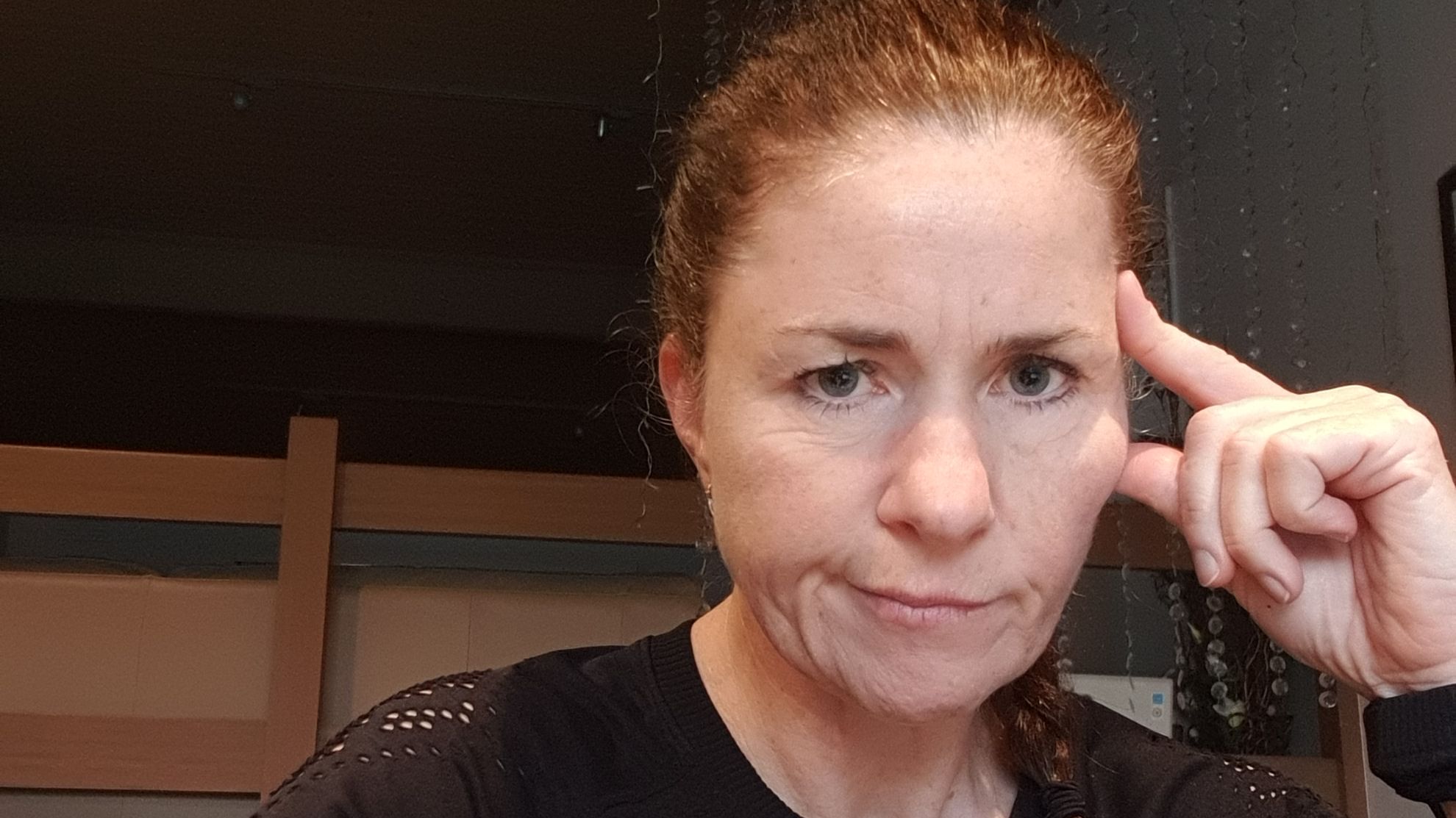
So many women arrive in midlife feeling frustrated with their bodies.
They tell me:
“I’m doing all the things I used to do, but nothing is working anymore.”
“I know what I should be doing, but I just can’t seem to stay consistent.”
“I feel like I’ve lost myself.”
And honestly, it makes sense.
Perimenopause and menopause are not simply hormonal events. They are whole-life transitions.
Your biology changes.
Your energy may change.
Your sleep, mood, metabolism and ability to recover may change.
At the same time, your priorities, responsibilities, relationships and sense of identity may also be shifting.
Yet women are often still being handed the same generic advice:
Eat less.
Exercise more.
Cut sugar.
Track everything.
Push harder.
For some women, parts of this advice may be helpful.
But for many women in midlife, simply trying harder creates more exhaustion, confusion and self-blame.
Because the problem is not always a lack of information.
The problem may be that the advice does not reflect the woman expected to live it.
Why generic health advice often falls short
One-size-fits-all health plans rarely account for the full reality of a woman’s life.
They may not consider disrupted sleep, hormonal fluctuations, nervous system overload, changing body composition or reduced capacity for recovery.
They may not account for the woman simultaneously managing a career, family, ageing parents, relationships and the mental load of caring for everyone else.
Nor do they always acknowledge the deeper questions that can emerge during midlife:
Who am I now?
What matters to me?
Why does my body feel unfamiliar?
What do I need in this next stage of life?
Many women are not failing because they lack discipline.
They are trying to force strategies that no longer match their biology, capacity or circumstances.
This is why midlife health often requires a different conversation.
Health is about more than following a plan
Lasting health change rarely begins with another strict protocol.
It begins with awareness.
Awareness of what your body may be communicating.
Awareness of what your nervous system can realistically sustain.
Awareness of the beliefs and patterns influencing your choices.
Awareness of what support you need, and what kind of life you are trying to create.
Without understanding and meaning, even a carefully designed plan can become another temporary attempt to fix yourself.
A personalised approach does not simply ask:
“What should this woman be doing?”
It asks:
“What is happening in her body?”
“What has shaped her current health?”
“What is realistic within her life?”
“What is most important to address first?”
“What will help her create change she can actually sustain?”
Your body has context
The same strategy can affect two women very differently.
One woman may feel energised by fasting, while another experiences headaches, cravings and sleep disruption.
One may thrive with intense exercise, while another becomes increasingly depleted.
One may respond well to a particular way of eating, while another struggles with digestion, mood or energy.
These differences may be influenced by hormones, genetics, metabolism, nutrient status, stress, sleep, medical history, environment and life stage.
This is why personalisation matters.
It does not mean making health unnecessarily complicated.
It means recognising that your symptoms and responses exist within a wider story.
Your body has a history.
Your body has adapted to your experiences.
Your health approach should reflect that.
The power of being seen as a whole person
One of the most meaningful things women say after receiving personalised support is:
“I finally feel understood.”
Not judged.
Not rushed.
Not reduced to a collection of symptoms.
Just heard.
Sustainable change rarely grows from shame.
It grows from understanding.
For one woman, progress may mean rebuilding energy and strength after years of burnout.
For another, it may mean improving metabolic health and body composition without returning to restriction or obsession.
For someone else, it may mean reconnecting with herself after decades of placing everyone else first.
There is no single version of success because every woman’s starting point, biology and life are different.
Belief, biology, behaviour and becoming
I look at midlife health through four connected lenses.
Belief
What do you believe about your body, ageing and your capacity to change?
Do you see your body as something to fight, or something to understand?
Biology
What may be happening within your hormones, metabolism, nervous system, gut, immune system or genetic pathways?
Are there underlying factors influencing your energy, mood, appetite, sleep or recovery?
Behaviour
What daily patterns are shaping your health?
Are your current habits supportive and sustainable, or have they become another source of pressure?
Becoming
Who are you becoming through the choices you make?
Are you trying to force yourself back into an earlier version of you, or are you learning to support the woman you are now?
These four areas are deeply connected.
A health strategy may be biologically appropriate but difficult to sustain if it does not fit your life.
A mindset shift may be valuable but insufficient if genuine biological needs are being overlooked.
And more information will not necessarily create change unless it can be translated into meaningful behaviour.
What personalised support can offer
Personalised health support can provide clarity when you feel overwhelmed by conflicting information.
It can help you identify priorities rather than attempting to change everything at once.
It can provide accountability without criticism, and help turn large goals into realistic daily actions.
Most importantly, it can create space to understand what may actually be driving your challenges.
Sometimes the most powerful shift is not another supplement, meal plan or workout.
It is finally understanding yourself.
Midlife can be a turning point
I believe midlife can become one of the most transformative stages of a woman’s life.
Not because everything becomes easier.
But because many women begin to wake up to themselves in a deeper way.
This chapter can become an opportunity to rebuild trust with your body, improve long-term health, create greater energy and reconnect with an identity that extends beyond roles and responsibilities.
It can be a time to reconsider what health means to you.
Not as a number on a scale.
Not as the ability to follow a perfect routine.
But as the energy, confidence and capacity to participate fully in your life.
You may not need another rigid plan.
You may need a strategy that honours your biology, your beliefs, your behaviours and the woman you are becoming.
Because health is not simply about living longer.
It is about feeling more like yourself while you do.
A question for reflection
Where in your health are you currently trying harder, when what you may really need is a different approach?
Your body is not necessarily broken.
It may simply be asking to be understood.
Stay connected with news and updates!
Categories
All CategoriesAuthor

Denise Mokadsi
Author